Mastering Dabbing Concentrates: Tips for Better Flavor and Potency
Getting the Most Out of Your Concentrates
After years of experimenting with different setups and extraction methods, I've learned that dabbing concentrates is as much about technique as it is about the material itself. Whether you're working with a crumbly piece of hash or a waxy budder, the way you handle heat, airflow, and timing can make or break your session. This isn't about following rigid rules, it's about understanding how your equipment interacts with the specific consistency of your concentrate. Once you get that, you can start dialing in the experience to suit your preferences.
Choosing the Right Concentrate for Your Rig
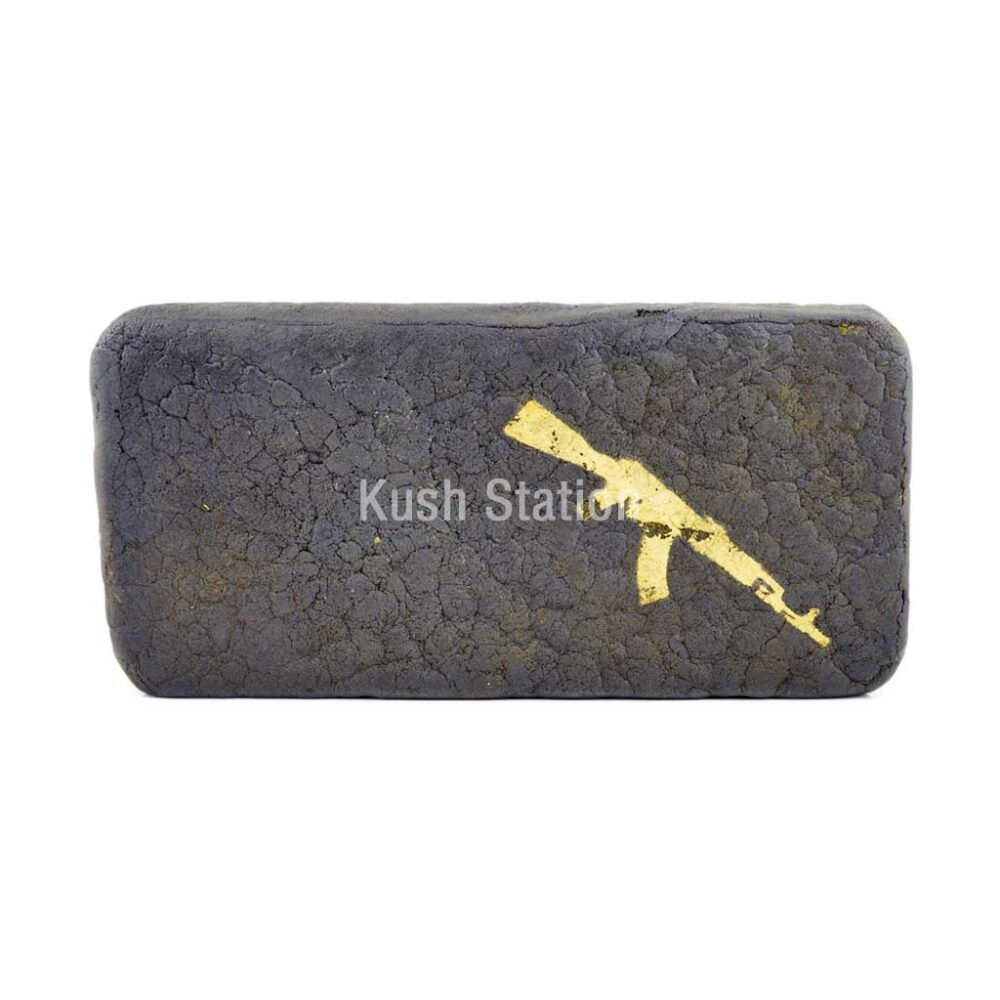
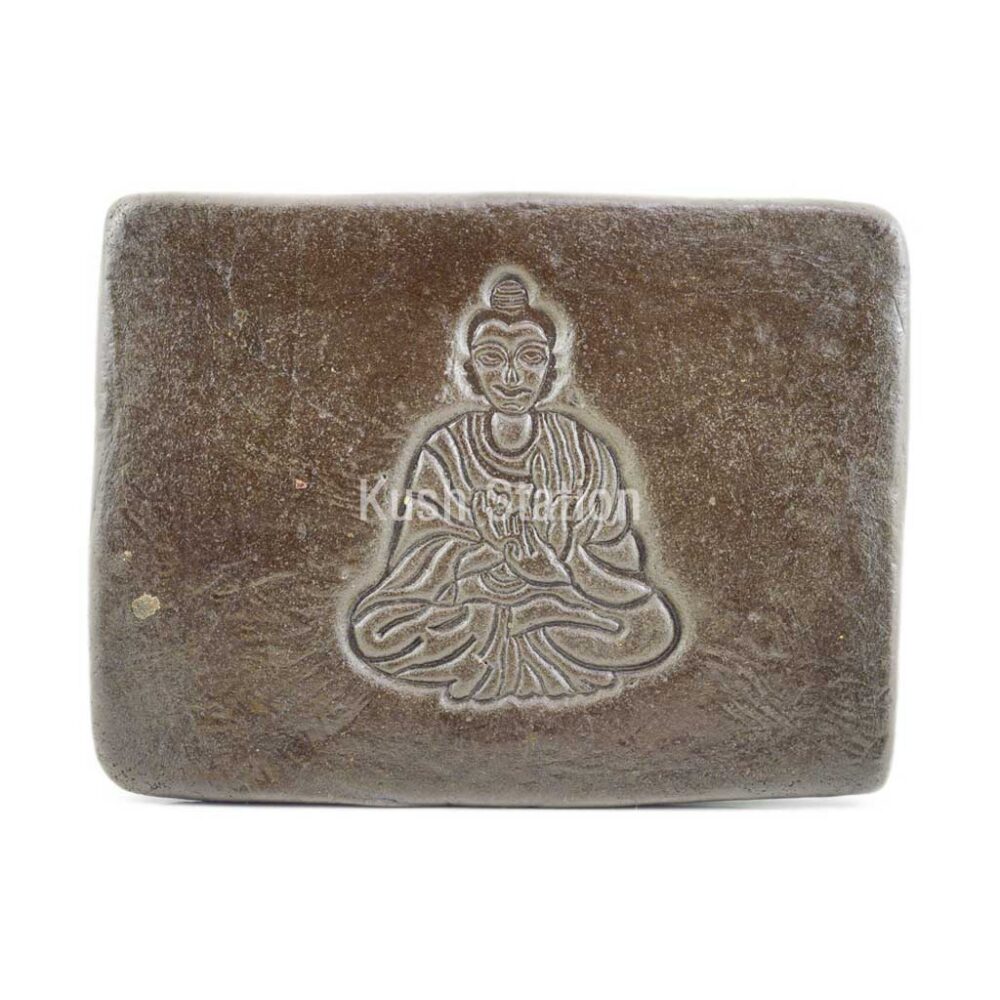
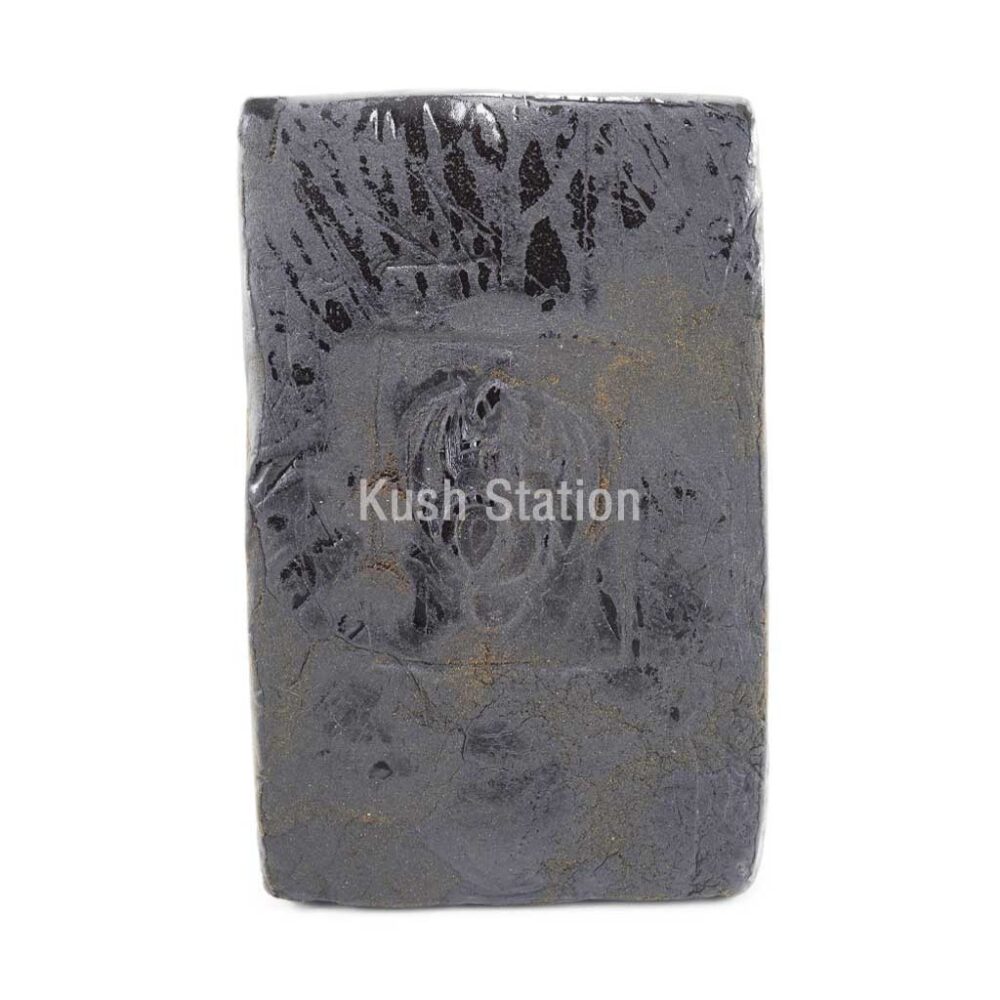
Not all concentrates behave the same way under heat. For instance, live resin tends to melt into a runny pool that can spill over the edge of a quartz banger if you load too much. Shatter, on the other hand, is brittle at room temperature and needs a gentle hand with a dab tool to avoid sending fragments flying. Budder has a soft, almost whipped texture that clings to your tool, making it easier to place precisely. Hash can vary wildly depending on how it was pressed, but a well-aged hash often delivers a full-spectrum extract profile that many enthusiasts prize for its depth of flavor.
When I first started, I would load whatever I had and hope for the best. But matching the consistency of your concentrate to your dab rig's design saves you from wasted material and harsh hits. A deep, angled quartz banger handles runny live resin better than a flat nail, while a carb cap with a directional airflow can help you vaporize thicker budder more evenly.
Temperature: The Heart of the Experience
Temperature control is where most people go wrong. If you heat your nail until it's glowing red and then drop a piece of shatter on it, you're incinerating the terpenes and cannabinoids before they ever reach your lungs. You end up with a harsh, flavorless cloud that leaves behind a black residue. On the other hand, too low a temperature and your concentrate will pool without vaporizing, wasting material and leaving you with a sticky mess.
For most concentrates, I aim for a temperature between 315°F and 450°F. Live resin and budder tend to shine at the lower end of that range, preserving delicate terpenes that give each strain its unique character. Shatter and hash can handle a bit more heat, especially if they contain higher levels of THCa. If you're using an enail, you can set your temperature precisely and forget about guesswork. With a torch and quartz banger, I rely on the "cold start" method: load your concentrate into the banger first, then heat slowly until it starts to vaporize. This approach gives you more control and a gentler heat gradient.
Gear That Actually Makes a Difference
You don't need to spend a fortune to get good results, but a few key pieces of equipment will elevate your sessions. Here are the essentials I've settled on after trying many options:
- A quartz banger with a thick bottom: retains heat longer and resists thermal shock better than thin glass.
- A carb cap with a directional stem: lets you control airflow to move the concentrate around the hot surface, preventing wasted pools.
- Terp pearls: small spheres that spin inside the banger when you inhale, distributing heat and increasing surface area for more even vaporization.
- A quality dab tool: preferably with a flat, angled tip for scooping up budder or hash without losing material.
If you prefer a portable setup, the Puffco Peak and Dr. Dabber devices offer consistent temperature control in a compact form. They're not cheap, but they remove the variables that make torch-and-banger dabbing frustrating. For home use, an enail gives you the same precision without the battery limitations. I've found that using a rosin press to make your own solventless extract can also be rewarding, but that's a whole other rabbit hole.
Technique Tips from the Trenches
Once you have your gear dialed in, it's all about execution. For dabbing concentrates, I always start with a clean banger. Residual carbon from previous hits will taint the flavor of your new load, especially if you're using a full-spectrum extract with subtle notes. A quick wipe with a cotton swab after each dab keeps your quartz clear and your terpene profile intact.
Loading technique matters more than you'd think. For sticky budder or runny live resin, I let the dab tool hover near the banger's edge so the concentrate slides off cleanly. For shatter, I break off a small piece and place it gently in the center. Hash can be crumbled onto the surface or pressed into a disc, depending on its consistency. I avoid touching the hot sides of the banger with the tool, that just melts the concentrate onto the tool instead of the nail.
Airflow is another variable. After capping, I draw slowly at first, letting the carb cap direct the vapor across the surface. If I see vapor forming before I start inhaling, I know the temperature is too high. A good pull should feel smooth and flavorful, with visible vapor only after a second or two. If you're using terp pearls, give them a second to spin before you draw hard, they'll distribute the heat evenly and prevent hot spots.
Solventless vs. Solvent-Based Extracts
The choice between solventless extract and BHO (butane hash oil) comes down to personal preference and priorities. Solventless methods, like using a rosin press, use only heat and pressure to separate the resin from the plant material. The result is a cleaner, more flavorful product that retains the full spectrum of cannabinoids and terpenes. BHO, on the other hand, uses solvents to strip cannabinoids from the plant, which can yield a higher volume but may leave behind trace residues if not purged properly.
I usually reach for solventless extracts when I want a pure flavor experience, especially with live resin that captures the plant's aromatic profile at its peak. For everyday sessions where potency is the main goal, a well-purged BHO can be just as effective and more affordable. If you're exploring cannabinoid isolates like pure THCa crystals, you're dealing with a different beast, those are often added to other concentrates to boost potency without altering flavor much.
Storing Your Concentrates for Longevity
Even the best technique won't save a concentrate that's been stored poorly. Exposure to air, light, and heat degrades terpenes and converts THCa into less active compounds. I keep my budder and live resin in airtight glass jars in a cool, dark drawer. Hash can be stored similarly, though some people wrap it in parchment paper to prevent it from sticking to the glass. Shatter is more stable but can still develop a sticky surface if left in direct sunlight for too long.
For long-term storage, a refrigerator works well for most concentrates. Just let the jar come to room temperature before opening to avoid condensation, which can introduce moisture and cause mold. Moisture is especially problematic for hash, which can become crumbly or develop off-flavors if it gets damp.
Putting It All Together
Mastering dabbing concentrates isn't about following a single perfect method, it's about building a relationship with your materials and equipment. Every batch of live resin or budder behaves slightly differently, and your technique should adapt accordingly. Start with a clean setup, control your temperature, and pay attention to how the vapor forms and tastes. Over time, you'll develop a feel for when to cap, how fast to draw, and what temperature suits each type of extract.
Whether you're using a simple quartz banger and torch or a high-end enail setup, the principles remain the same. Respect the terpene profile, avoid overheating, and keep your gear clean. That's what separates a mediocre dab from a truly enjoyable one. And if you ever find yourself struggling with a stubborn piece of hash or a runny live resin, don't be afraid to experiment with the cold start method or adjust your grind size. The best lessons come from paying attention to what actually happens when you take that hit.